
There is growing evidence that living near or spending time in green and natural spaces is asociated with better health and well-being. However, most of this evidence is cross sectional, which represents a snapshot of people’s lives and cannot account for within person variation. This leaves open the possibility of reverse causality, where individuals with better health and well-being might choose to move to greener areas. Longitudinal designs, which track the same people over time, can help to account for this variation.

What we did
This study, led by researchers at the University of Liverpool, anonymously links the medical records of over two million adults in Wales with environmental indicators measuring their exposure to natural spaces. Approximately 80% of the adult population of Wales chose to participate in this data sharing, though individuals had the option to opt out.
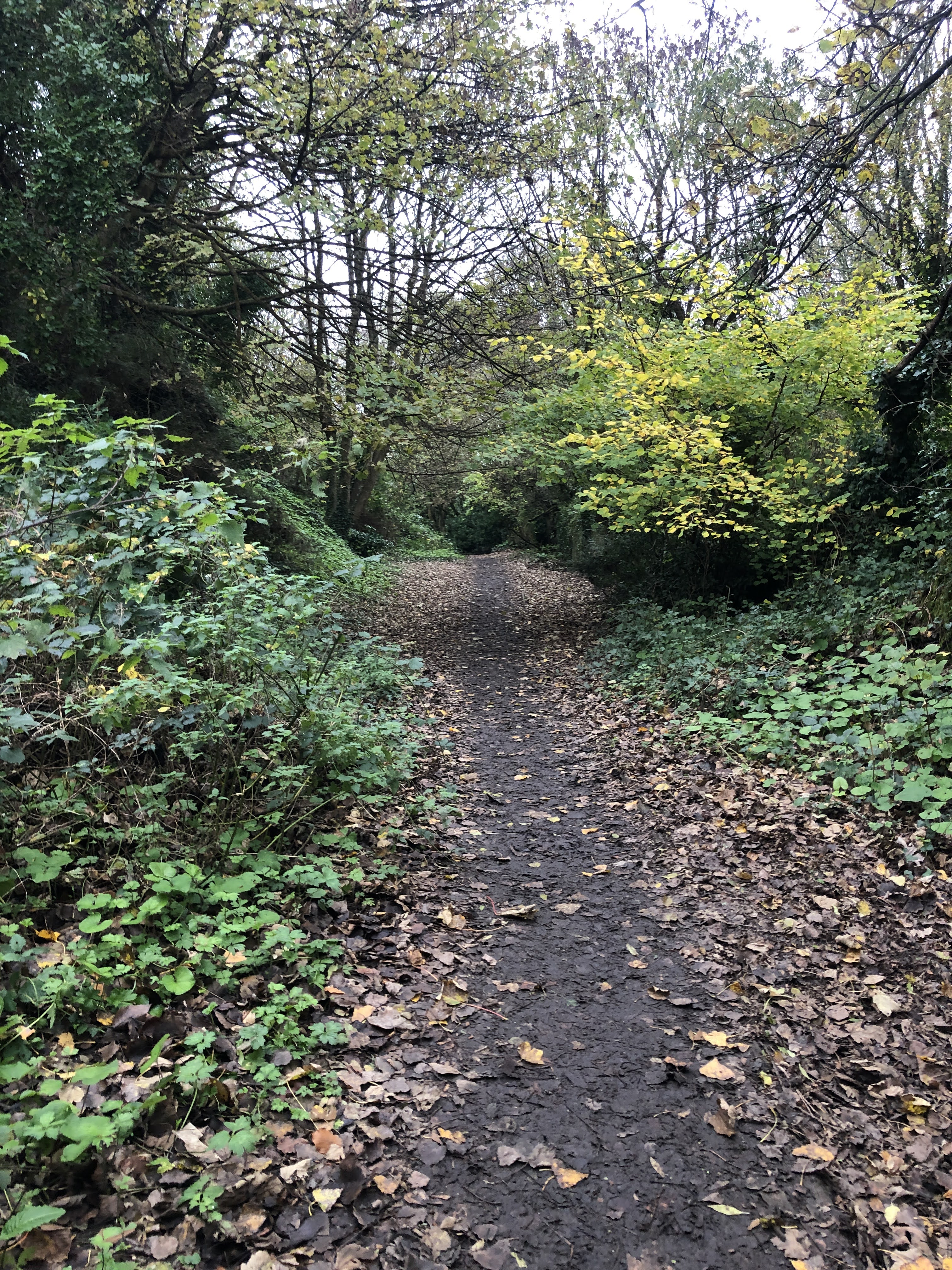
The study utilised several indicators to measure exposure to natural spaces. Greenness around the home was assessed using a vegetation index derived from satellite images (the Enhanced Vegetation Index or EVI). Additionally, two measures represented access to publicly accessible green or blue spaces: the count of such spaces within 1600 metres (approximately 1 mile) from the home, and distance to the nearest green or blue space along roads and paths.
These measures capture distinct aspects of individuals’ environments. EVI considers all vegetation within a 300-metre radius of the home, encompassing both publicly accessible and privately owned areas, while excluding water bodies. On the other hand, access to green or blue spaces focuses on publicly accessible green and natural areas, including water bodies such as beaches and coastlines.
Statistical analysis assessed the effect of these environmental variables on the likelihood of having anxiety or depression as recorded with a GP. The models also incorporated additional factors related to mental health, such as age and gender, to account for these variations unrelated to greenspace.
Results
According to the statistical results, people who had more vegetation around their home and more green and blue spaces were less likely to develop anxiety or depression. Simiarly, the further individuals lived from their nearest green or blue space from home, the greater the odds of having anxiety or depression.

The Welsh Index of Multiple Deprivation (WIMD) assesses areas in Wales based on various aspects of deprivation and well-being, including income, education, employment, health, and living environment. In general, the same relationships were found in all areas, from the most deprived to the least deprived. However, the study found that increased access to green or blue spaces had a greater positive impact on health in more deprived areas, suggesting that it could help reduce health inequalities.
Strengths and limitations
This study had several strengths. The analysis only included greenspace exposures that occurred before any mental health diagnoses, reducing the potential for reverse causality. People were tracked over time, this means that their estimated exposures to green and natural spaces are more likely to be accurate. Further, the study does not rely on people reporting information themselves, which reduces the potential for recall bias.
However, one limitation is for the mental health outcome measure, which only includes people who sought help at a GP and who were prescribed medication.
In summary
This study presents robust findings that link better access to green and natural spaces with better mental health. This was particularly the case for people living in deprived areas. The authors suggest that urban greenspace can be thought of as a public health and social investment.
The paper is called “Ambient greenness, access to local green spaces, and subsequent mental health: a 10-year longitudinal dynamic panel study of 2·3 million adults in Wales”, is published in the Lancet Planetary Health and is available to read Open Access at https://doi.org/10.1016/S2542-5196(23)00212-7
 Beyond Greenspace