
Author Archives: benedictwheeler
Event reflections: How Can Green Infrastructure Reduce Health Inequality?
Highlights from a recent online event discussing connections between nature and health inequalities
Musing of a systems thinking convert
One of the first pieces of work for the project Tackling health inequalities through green/blue infrastructure is to build our understanding of the complex system underlying links between green/blue infrastructure and health inequalities. In this post, project research fellow Dr Mark Ferguson reflects on his experience of the process so far. Mark writes… I first […]
Green/blue infrastructure and health inequalities: theory building
One of the first key pieces of the project Tackling health inequalities through green/blue infrastructure is to build our theoretical understanding of the complex system underpinning the issues we’re interested in. This approach is increasingly common in public health research, and has been around a for a long while in other disciplines. We’ve been fortunate […]
Webinar: Tackling health inequalities through green and blue infrastructure. 23rd Oct 2025
Post update: webinar recording Over 350 people tuned in and joined us and our colleagues at the Town & Country Planning Association and Dorset Council for this webinar last week. Thanks to everyone for joining in and for contributing excellent questions and comments throughout. We kicked off with an introduction to how health inequalities and […]

WHO report on nature-based solutions launched
To mark International Day for Biological Diversity, we’re launching a new report highlighting the powerful connections between nature and human health. Published in collaboration with the World Health Organisation as part of our role as a WHO Collaborating Centre on Natural Environments and Health, the guidance explores how we might tackle some of the biggest health […]
Nature-based physical activity prevents several diseases, including depression and type 2 diabetes
In a new study published this week, we found that physical activity in natural environments prevents almost 13,000 cases of non-communicable diseases (NCDs) a year in England and avoided healthcare and societal costs of more than £100m. The paper was led by Dr James Grellier, and is available open access, in the journal Environment International: […]
MSc in Environment & Human Health – now online for distance learning
We have delivered the University of Exeter MSc in Environment and Human Health from our base in Cornwall, UK since 2012. This programme is strongly linked with the research of the European Centre for Environment and Human Health, including that of the Beyond Greenspace team, and is delivered primarily by Centre academic staff. We teach […]
Nature, Health and Wellbeing Continuing Professional Development Course 2022
Our brand new course, Nature, Health and Well-being CPD will run virtually on Zoom over 4 days on Tuesdays and Thursdays from 9:00 – 13:00 on the 22nd and 24th March and 5th and 7th April 2022 from the comfort of your home and/or office without the need to travel. The course will explore how natural environments can benefit the physical and mental health of […]

SWEEP x Agile Rabbit: Protecting nature – improving our health
On 13th October a collaboration between SWEEP Investing in Nature for Health and Agile Rabbit hosted an open online event Protecting nature – improving our health. In this free online event, we took a deep dive into the benefits nature provides us and what this means for how we protect the natural world, with perspectives […]
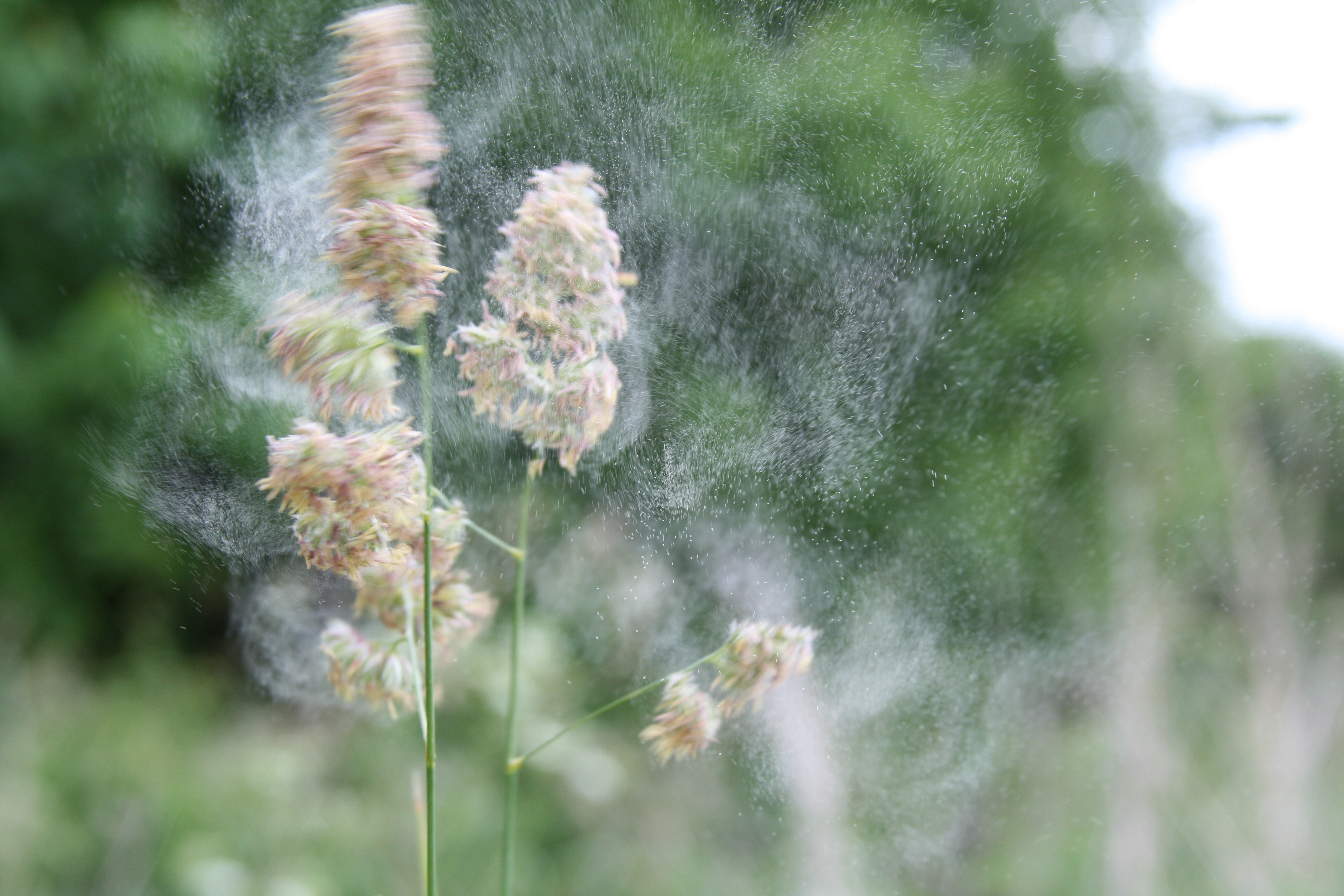
Combining public health and environmental science to develop pollen forecasting
Things have been a bit quiet lately on the Beyond Greenspace blog; what with one thing and another the team have been pretty busy with teaching and keeping research projects on-track. But here’s some lowdown on a paper on grass pollen, allergies and asthma published today from our NERC PollerGEN project with colleagues at Bangor […]
 Beyond Greenspace