
I had the privilege this week of joining an event How Can Green Infrastructure Reduce Health Inequality led by the Active Partners Trust (a charitable trust, bringing together the Active Partnerships in Derbyshire and Nottinghamshire through Active Derbyshire and Active Notts). Around 100 of us gathered online to discuss opportunities to work across sectors to tackle inequalities in opportunities to benefit from nature’s public health benefits.
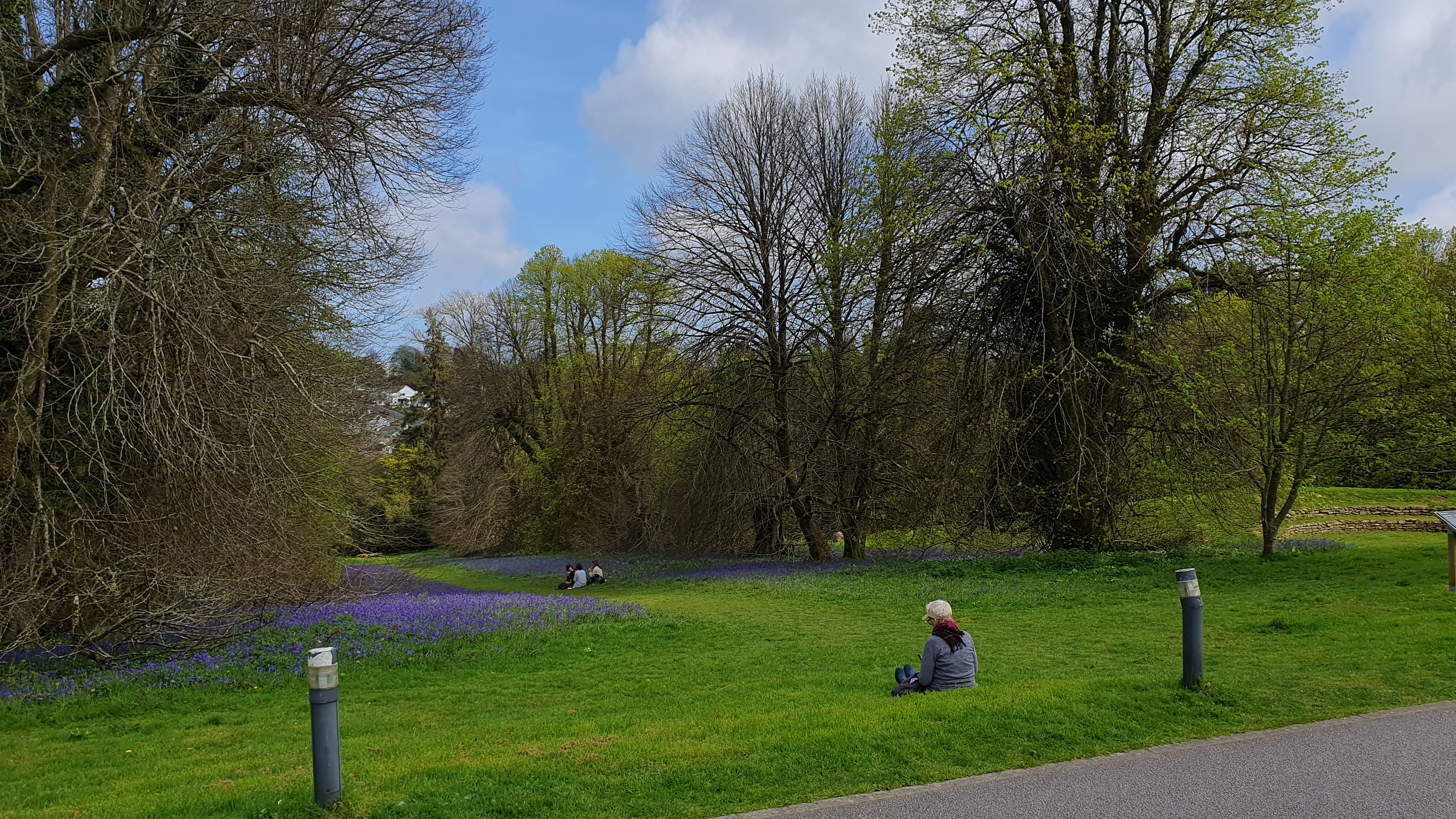
It’s always incredibly enlightening to hear from the people and organisations working hard to deliver positive opportunities and outcomes for communities and our environments. We had discussions across colleagues from local authorities, Natural England, NHS and 3rd sector organisations. Lots of perspectives indicating that the evidence on benefits of nature for health is now clear enough to take action, but there are a wide range of challenges to implementation. Balancing residential development with protecting and improving natural environments is obviously still a hot topic, and critical to get right.
It was excellent to hear from Andrew Fowler of More in Common, who have done some fascinating research with the TCPA. Their report ‘Parks, pride and place’ reveals that regardless of people’s political stance, there is widespread agreement amongst the population on the importance of local parks and green spaces. The report includes a ton of interesting insights from the research, but I was particularly caught by the motivation for them to undertake the study in the first place. The report states:
“At the start of our focus group discussions [on any topic], to make participants feel comfortable sharing their views, we ask an icebreaker question. Often we ask “what is the best thing about where you live?” Regardless of where participants are from, whether it is urban or rural, whether they are young or old or what their voting preferences are, almost always a majority of participants will say one thing: their local parks and green spaces.”
We also got some updates from Natural England and local authority colleagues on the Nature Towns & Cities programme. A huge amount of action, and work in progress to support more places to become accredited (https://naturetownsandcities.org.uk/become-a-nature-town-or-nature-city/).
It was fascinating to hear about Nottingham’s green space strategy, clearly working across City Council departments and sectors to capitalise on green/blue infrastructure delivering multiple benefits. A primary example being working with green/blue infrastructure to tackle surface water flooding issues as a primary challenge, but looking for the ways to deliver on various other agendas, and paying particular attention to inequalities.
Overall, an excellent event and so good to hear about all the great work going on. A key thing I took away was to make sure we deliver useful evidence from the Tackling health inequalities through green/blue infrastructure project, without telling people things they already know and are acting on! A continuing lesson in the value of long term, meaningful collaborations beyond our individual research projects.
 Beyond Greenspace